zum Inhalt springen

B.A. Social and Cultural Anthropology

Topthemen

  • Study S&C Anthropology - Topic

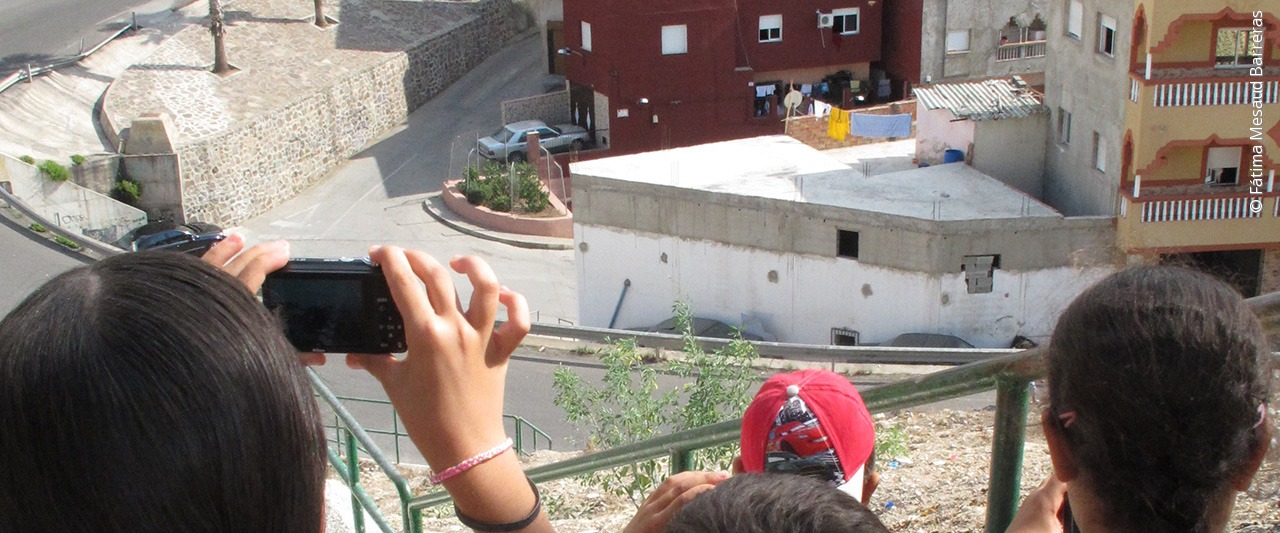
    Study S&C Anthropology - Topic "Migration and Globalisation"

    What does migration mean for people who leave their homes, for those who stay behind or for people who host the immigrants?

  • Study S&C Anthropology - Topic

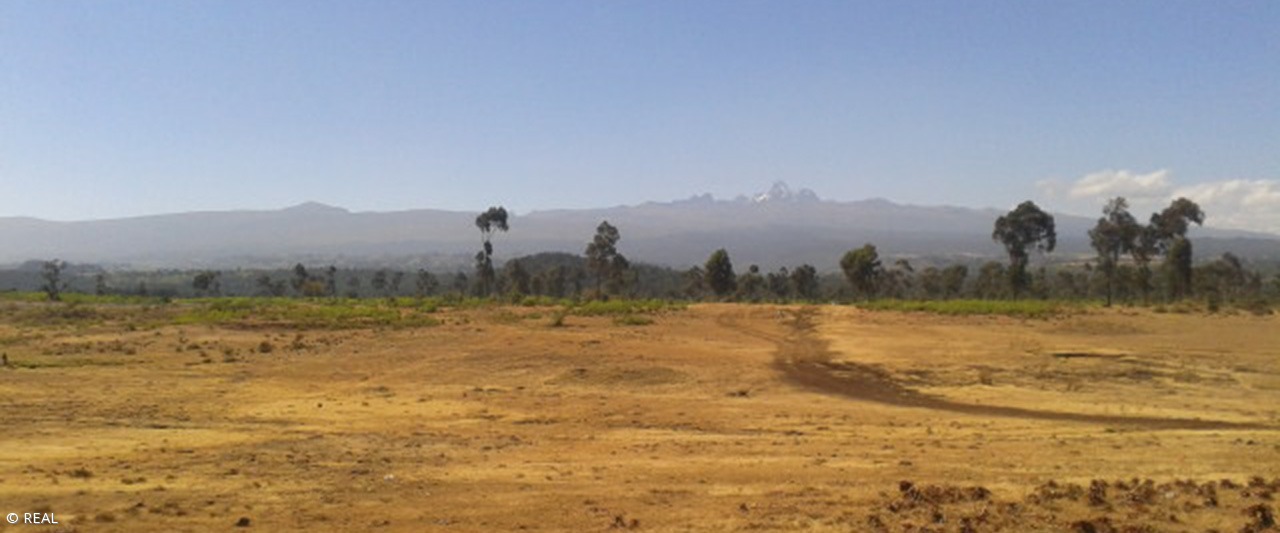
    Study S&C Anthropology - Topic "Environment and climate change"

    How do indigenous communities deal with climate change? And how do people in different cultures imagine a "better", cleaner, more sustainable future?

  • Study S&C Anthropology - Topic

    Study S&C Anthropology - Topic "Media and Society"

    How do people use analogue and digital media to organise their lives?

  • Study S&C Anthropology - Topic

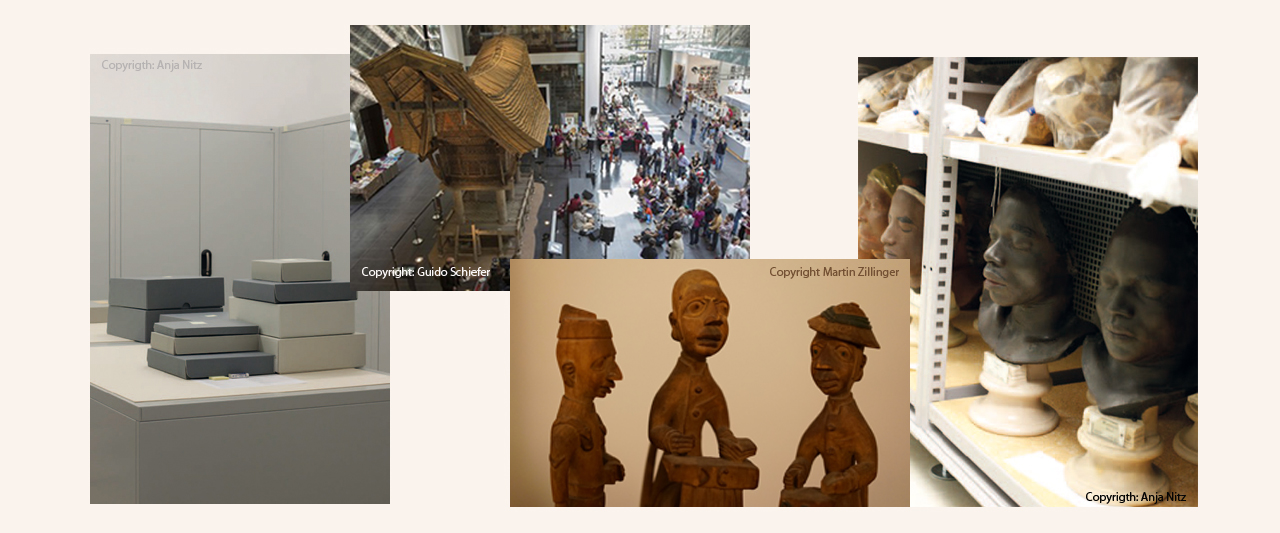
    Study S&C Anthropology - Topic "Postcolonialsim and Museum"

    To what extent do colonial discourses and practices shape contemporary patterns of thought, language and action?


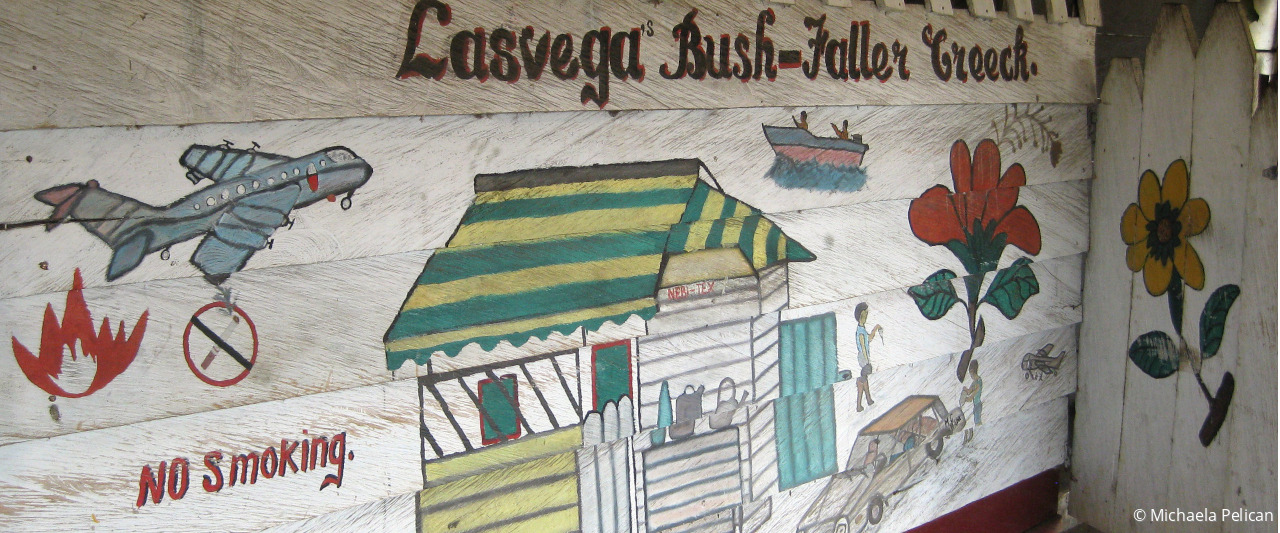
Would you like to learn more about “Bush-Faller”? Then read the following article (only available in German):
Michaela Pelican: Bush-Faller. KamerunerInnen zwischen Fremde und Heimat. In: journal-ethnologie.de, 2008 || download pdf hier

Our programme video introduces the unique features, course content and structure, as well as potential career perspectives. Further information about the University of Cologne’s study offerings can be found on the study orientation portal.

Learn more about Social and Cultural Anthropology in Cologne here:

Is Social and Cultural Anthropology the Right Fit for Me?

  • How do people in different societies organise their coexistence? What can we learn about our world from the ways of life in other societies?

  • How do culture, religion, and social norms shape human behaviour and interactions? 
  • What social, moral, political, and ecological impacts do globalised labour markets and the trade in goods have on how people live together across societies?

  • How do Indigenous communities respond to climate change? And how do people in different societies envision a "better," cleaner, and more sustainable future?

  • What does migration mean for those who leave their homes and for those who stay behind?

  • Under what conditions do disagreements and conflicts escalate into violent confrontations and wars? What conflict resolution strategies are pursued, which are successful, which fail and why?
  • What are the social and cultural effects of the global spread of media technologies?

  • What does diversity actually mean, and how is the concept used in different areas of society? What does empowerment mean, and how can different groups define and implement it for themselves?

  • To what extent do colonial discourses and practices continue to shape contemporary patterns of thinking, speaking, and acting; both in Germany and in other parts of the world?

Studying Social and Cultural Anthropology offers answers to such questions by integrating global perspectives and interdisciplinary approaches. Ethnographic fieldwork, cross-cultural comparison, and theoretical analysis enable a deeper understanding of social processes and cultural dynamics.

To study Social and Cultural Anthropology means
- critically engaging with pressing global challenges - such as migration, climate change, and cultural identities - in order to help shape a respectful coexistence in a culturally diverse world.

Studying Social and Cultural Anthropology in Cologne

The focus of the programme lies on globalisation and its interconnections with migration, socioeconomics, environment, media, and systems of norms and values. We explore these themes through cross-cultural comparison and local perspectives from Asia, Africa, the Mediterranean region, and (Latin) America.

  • How do global and local power relations shape the lived realities of different cultures?

  • What role do rituals, traditions, and cultural symbols play in various societies?

  • How can we promote dialogue between cultures and overcome misunderstandings?

What makes anthropology in Cologne unique is the large number of international research projectswhich provide you with valuable insights into socially relevant research and current academic debates. We warmly invite you to attend our diverse programme of lectures, workshops, and conferences!

Upcoming lectures, workshops, and conferences and participation can be credited towards your anthropology studies.

And after graduation? - Career Perspectives

Career orientation is a key objective of the programme. In the supplementary module “Anthropological Knowledge in Professional Practice,” (website only available in German at the moment) we provide insights into fields where anthropologists work and support you in choosing internships. We present exemplary career paths and open up a wide range of professional opportunities, such as:

NGOs, international organisations, cultural management, journalism, museums, research institutions, public administration, intercultural training, and management consulting.